


TL;DR: Teaching mostly enjoyable material and then compressing exam preparation into a single month reliably produced anxiety. Extending preparation to short mock drills over four months changed the outcome. Exams blended into normal training. Students stayed calm, moved well, and could process feedback. The shift came from time, repetition, and consistent exposure.
In Part 1, we looked at exam anxiety from the practitioner’s side. What pressure reveals about attention, loss of center, and how progression is experienced once exams move beyond clear technical testing. This second part shifts perspective to teaching. https://www.aikicraft.org/p/aikido-exam-anxiety-centering-and-progression
For years, I followed the same teaching pattern. I spent months teaching the fun stuff – my favorite low-impact techniques, exercises focusing on flow, sensing, awareness and the variations I enjoyed. Then someone would mention that exams were in a month, and I panicked.
The following weeks turned into technical cramming: ikkyo through rokkyo, omote and ura, suwari waza and hanmi handachi waza. All the boring fundamentals I’d been avoiding.
The result was predictable. Students showed up to exams sweating, shaking, complaining about knee pain, unable to connect technique names to movements they executed perfectly in practice. Flow broke down. Hearts pounded. Some got physically ill and skipped the exam entirely.
I blamed student anxiety. The problem was my teaching.
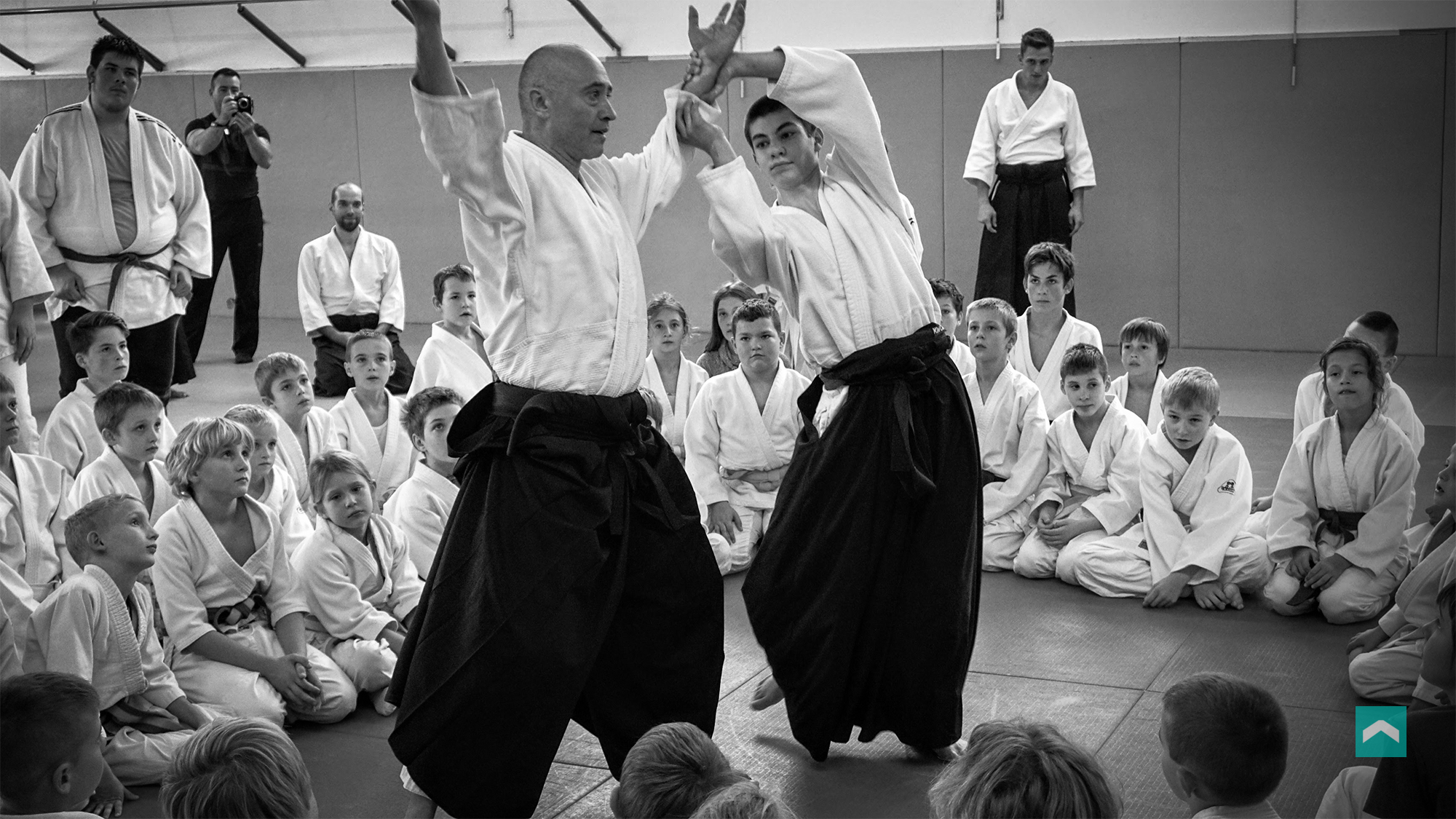
What cramming creates
There’s a big difference between techniques that are fun to teach and techniques that need systematic preparation. Technical perfection isn’t my strength, so I avoided it. This created three problems for students:
Novelty Shock: They hadn’t practiced these specific techniques in months. The exam reintroduced material under maximum pressure with minimal recent exposure.
Pressure Concentration: All stakes were placed in one month. No time to make mistakes safely, adjust, and try again. Just sprint toward judgment day.
No Safe Failure Space: Practice became about getting it right before the exam, not about learning through error.
These three problems are precisely what the Reddit discussion from Part 1 revealed: students froze under observation, physical symptoms overtook technique knowledge, and fear of making the teacher look bad was paramount. One commenter admitted to getting physically ill before every test.
This experience highlighted a common pedagogical gap. Many instructors, myself included, simply never had the opportunity to study how people learn under pressure. We just replicated how we were taught, which often meant minimal preparation followed by high-stakes testing.
What changed due to circumstance
One year, exam preparation lasted much longer because our federation postponed the date several times. What was usually a one-month sprint stretched into five months.
That delay forced a change in how I prepared students. I added 15–30 minute mock exam drills at every training session as part of normal practice, starting long before anyone felt “ready.”
The format stayed simple: we systematically covered all basic techniques—Ikkyo through Yonkyo in Omote and Ura, Irimi Nage, Kote Gaeshi, Shiho Nage, Kaiten Nage, and Tenchi Nage—across Suwari Waza, Hanmi Handachi, and Tachi Waza.
Nothing exciting. Just the fundamentals that appear on every exam in our federation. The extended timeframe allowed me to use basic sport psychology methods inside regular training: short verbal feedback, frequent feedback loops, simple self-assessment by uke, and clear goal setting. These elements deepened awareness, improved ukemi quality, and reduced anxiety without interrupting training flow.
What I observed month by month
Month 1: Students showed the same nervousness they always had: sweaty palms, uncertain movements, and looking to me for reassurance. The mock drill format felt awkward and intrusive, and attention drifted toward performance rather than movement.
Month 2: Flow improved. There was less freezing between techniques. Students began moving through the sequence without stopping to think ahead. Joking started to appear during drills, a sign that pressure was losing its grip and becoming familiar.
Month 3: Techniques held together under observation. Students corrected themselves without panic. Feedback from senior students landed cleanly, without defensiveness. Some began noticing and supporting the nervousness of others.
Month 4: Exam conditions no longer stood out. Focus and movement quality matched regular training. On exam day, attention stayed on the work itself. One student later said it felt like an ordinary Tuesday.
The key shift was simple: exams stopped feeling like a separate category of experience. Repetition dissolved the artificial pressure.
What other teachers can try
Start earlier than feels necessary. Three to four months is appropriate for building real capacity.
Make mock drills routine. Use short sessions at every practice. Students should feel mild repetition fatigue, not treat each drill as a special event.
Keep drills short. Fifteen to thirty minutes maintains exposure without burnout. One long mock exam per month does not create the same effect.
Cover the exam material systematically. Do not avoid the boring fundamentals. Those require repeated exposure under mild pressure.
Watch for behavior changes. Early weeks show anxiety that is present and visible. In the mid-period, students start relaxing, even joking. In later weeks, corrections are absorbed without defensiveness; they carry their focus through exam day without the burden of fear.
The pattern should be: uncomfortable familiarity becoming comfortable routine becoming confident performance.
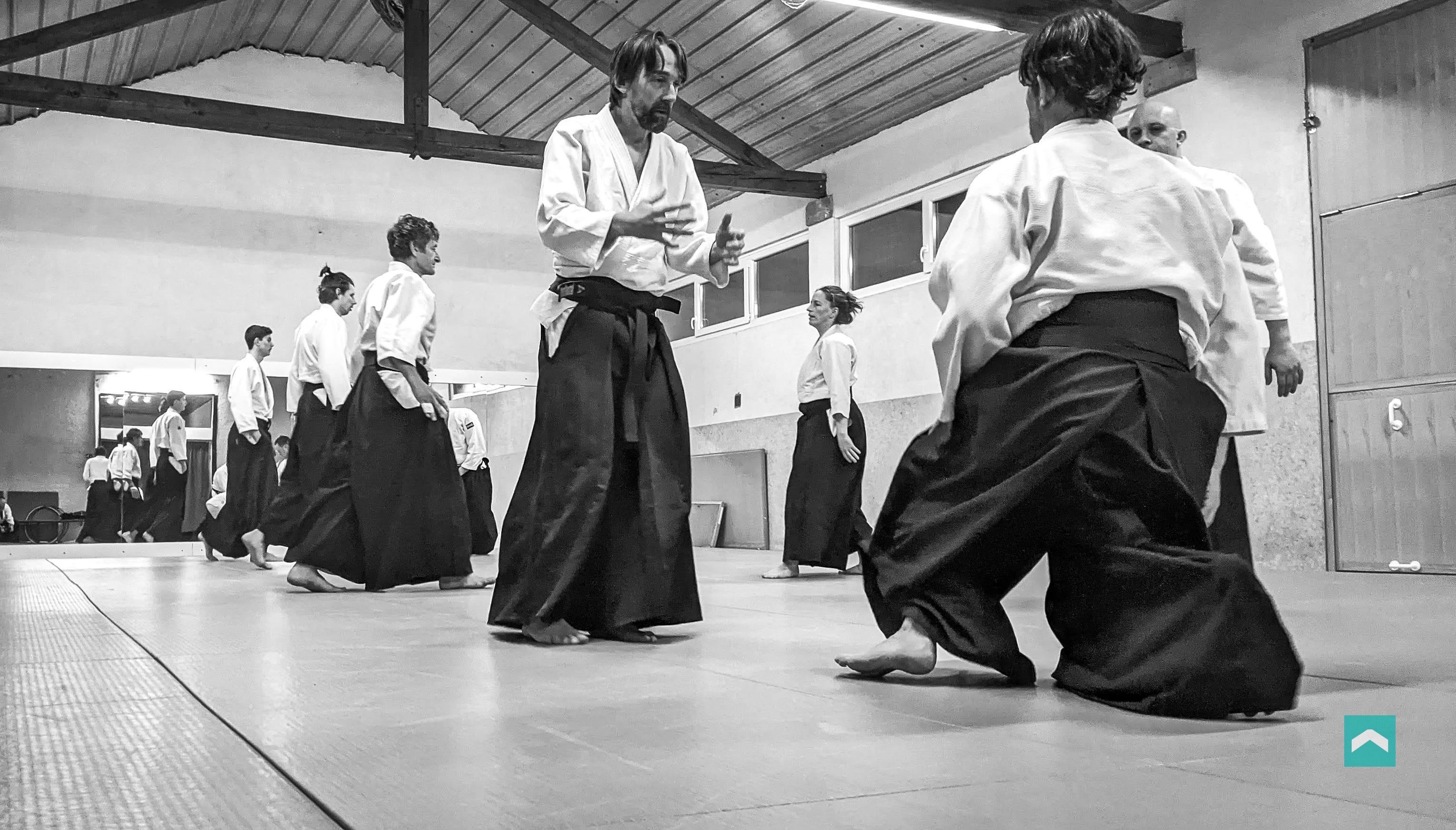
The bigger teaching lesson
This lesson is not solely about exams; it is fundamentally about how preparation works.
Cramming content creates anxiety because students know they are underprepared and time is short. The pressure comes from genuine lack of readiness masked by hope.
Building sustained capacity creates confidence because students have demonstrated competence repeatedly in similar conditions. The exam becomes confirmation of what they already know they can do.
Good teaching anticipates where students will struggle. Great teaching creates conditions for students to discover their own resilience before it matters.
I got lucky. Circumstances forced me into a better approach. But luck shouldn’t be required for basic pedagogical competence.
The question isn’t whether sustained preparation works better than cramming. The question is: why do we keep cramming when we know it doesn’t work?
In the next part: Why this approach works, what sport psychology has known for decades, and what it reveals about aikido’s institutional priorities.