


TL;DR: Sometimes motivation problems aren’t personal, they’re architectural. When the system thwarts growth, the solution isn’t “more discipline”—it’s a different structure.
If you are starting here, Part 1 covers the neuroscience of the plateau, and Part 2 offers strategies for individual reorientation. This final part addresses what happens when those strategies fail because the environment itself is the obstacle.
You have mapped your pillars. You have tried process goals, distributed your social glue, and attempted to author your own path. If you are still struggling to find the “spark,” you must consider an uncomfortable possibility: your motivation isn’t failing. It is being actively dismantled.
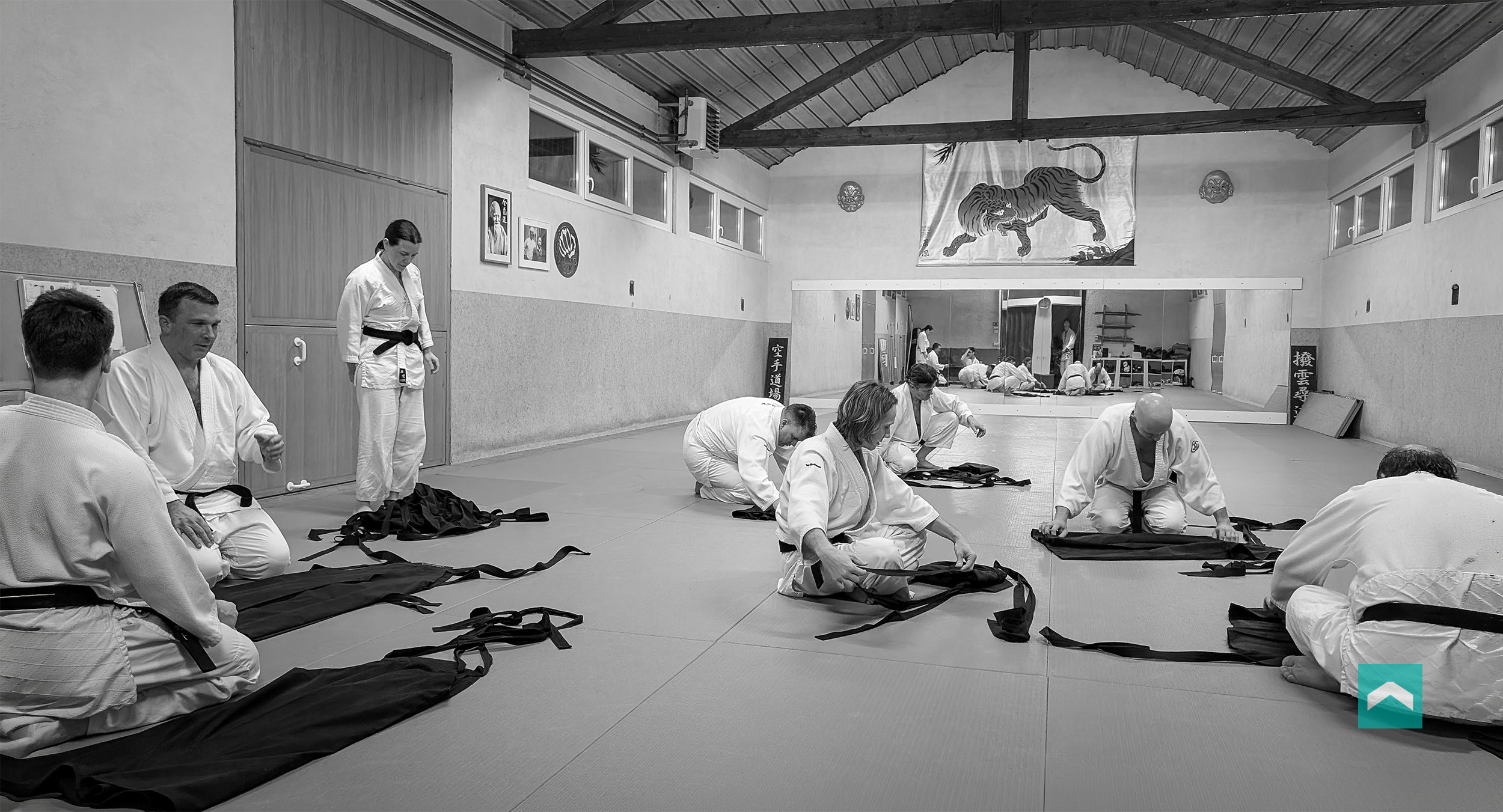
The assumption in traditional martial arts is that the institution is a neutral vessel for the art. It is not. Institutions are architectural designs that either nourish or starve the people inside them.
How systems dismantle the pillars
While individual practitioners lose motivation through biological adaptation, institutions kill it through structural design.
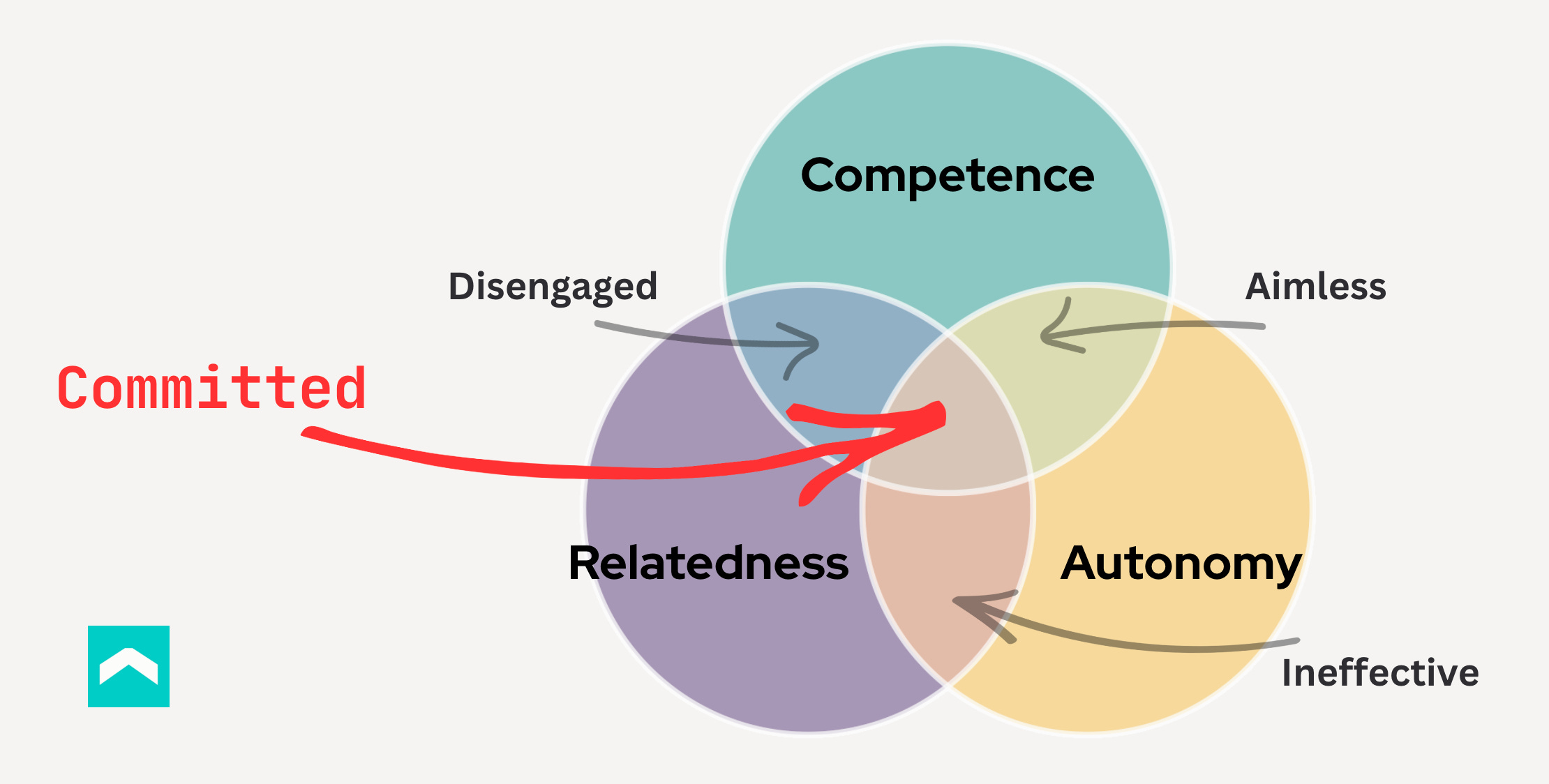
Autonomy death occurs when tradition is used as a tool for conformity rather than a framework for inquiry. If you are a 40-year-old practitioner with a knee injury being told you must move exactly like a 20-year-old shihan, your autonomy is being suppressed. When asking “why” is interpreted as “disrespect,” or when your choice of seminars is dictated by political loyalty rather than technical curiosity, the system has removed you from the driver’s seat of your own practice.
Competence sabotage happens when pedagogy is replaced by hierarchy. In many dojos, progress is a black box. Testing depends on favor, timing, or political standing rather than a clear, principle-based curriculum. When your instructor cannot articulate how a technique works—relying instead on “just watch and copy”—your ability to achieve mastery is capped by their inability to teach. You aren’t stuck on a plateau; you are being held in a room with no exit.
Relatedness as a burden. Healthy connection should be a resource. In toxic institutions, it becomes a debt. This happens when the dojo functions like a closed clan where “belonging” requires silence in the face of poor leadership or unsafe behavior. When your primary social circle is used as leverage to keep you in a system that no longer serves you, relatedness has been weaponized.
The Environmental Assessment
Before deciding your next move, you must diagnose the room. Use these four questions to determine if your environment is capable of supporting the “Reorientation” strategies we discussed in Part 2:
The Inquiry Test: When you ask a technical “why,” is the answer based on physics and mechanics, or on authority and tradition?
The Safety Test: Are the social bonds in the dojo based on mutual growth, or on a shared silence regarding leadership flaws?
The Pedagogy Test: Is there a transparent roadmap for your progress, or does your advancement feel like a gift granted by a gatekeeper?
The Response Test: When you express a need for a different training pace or focus, is the reaction one of adaptation or one of “this is how we’ve always done it”?
The Fork in the Road
Once you recognize that the environment is thumping the hollows of your motivation, the “quiet resolve” of the survivor changes. You no longer ask how to stay; you ask how to train.
There is a moment in every long-term practitioner’s life where they must choose between the Institution and the Art. They are rarely the same thing. Those who choose the art usually find themselves on one of three paths:
Extraction: You remain in the dojo but mentally “check out” of the politics. You train for yourself and treat the institution as a simple rental agreement for mat space.
Reformation: You build a sub-culture of inquiry and safety within the existing structure. This is the hardest path, often ending in friction.
Reconstruction: You leave. You build a new structure that prioritizes the practitioner’s growth over the organization’s legacy.
The Price of Staying
The most dangerous advice in aikido is “just keep showing up.”
If the environment is healthy, that advice is gold. If the environment is thwarting your basic human needs, then “just showing up” is a slow-motion act of self-betrayal. You are training yourself to accept stagnation as tradition and silence as loyalty.
After almost 20 years of practice, I realized that my pillars weren’t wobbling because of a plateau. They were being cut down by a system that valued my conformity more than my mastery. Stepping away wasn’t a loss of motivation; it was the only way to save my practice.
The 6th dan who “just didn’t quit” is often held up as the ideal. But we rarely ask what they had to sacrifice to stay—whether they maintained their curiosity and integrity, or if they simply became part of the machinery that makes others want to leave.
Quiet Resolve
The plateau will always be there. But you should not have to fight your organisation and your brain at the same time.
If you have applied the strategies and the spark hasn’t returned, stop looking inward. Look at the room. Look at the leadership. If the architecture is broken, no amount of personal discipline will fix the house.
Your loyalty belongs to your growth, not a membership card or dan certificate. This is where the maturity of the practitioner begins: when you stop asking for permission to enjoy your practice and start building the conditions that make it possible.
Where is your motivation actually stuck? Join the discussion and share which pillar is struggling for you.