


TL;DR: The aikido plateau isn’t weakness; it’s your brain protecting you from perceived wasted effort through predictable neural patterns.
A practitioner recently posted in an online aikido community: “I’m getting bored. I have a history of spending maximum one year doing one hobby, then I quit... I’m scared of that happening with Aikido.”
They are at 4th kyu. They dream of moving smoothly, but ukemi still makes them nervous. Progress feels painfully slow. It is that desperate feeling that they should be “good” by now, even though they logically know mastery takes decades.
If you’ve trained for more than a few years, you recognize this moment. It isn’t a personal failure of discipline; it’s a predictable neurological reaction.
The voices from the mat
The community responses to this struggle generally cluster around three psychological pillars defined by Self-Determination Theory: Competence, Relatedness, and Autonomy.
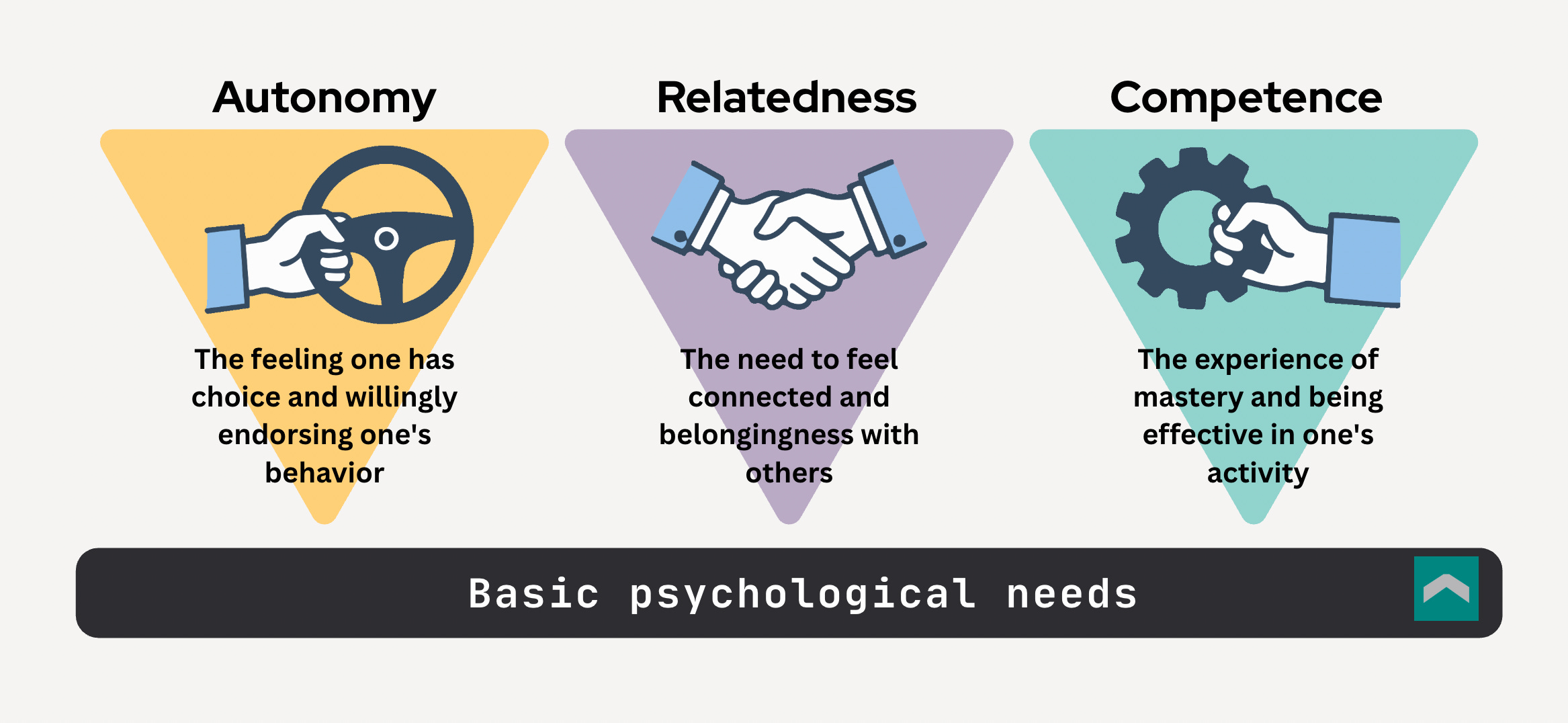
One sandan wrote: “A 6th dan is just someone who didn’t quit their membership.” Another added: “Forget about the grades... see what tiny detail you can pick up that day.” This is the pursuit of Competence—shifting the goal from external rank to the internal feeling of mastery over a single movement.
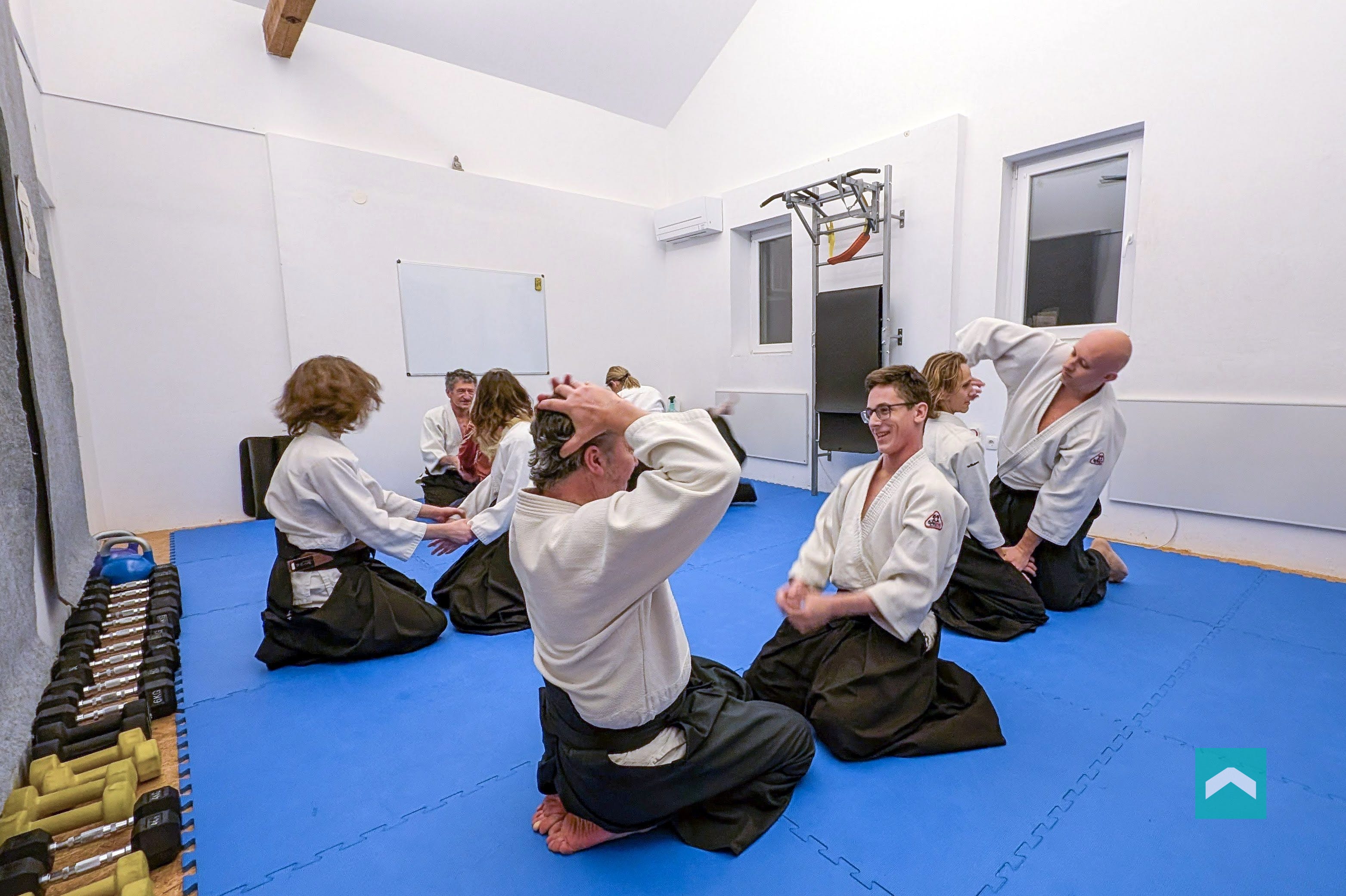
Others focused on the social dimension: “Having a set time with people expecting me there is a big help.” This is Relatedness. It is why solo hobbies are easier to quit; in the dojo, your struggle is a shared journey.
The third theme is Autonomy—the feeling that you are authoring your own path. As one practitioner reflected on their shodan: “The one thing I did not because I had to, but because I chose to do it.”
When these three pillars—mastery, connection, and choice—align, motivation feels effortless. The problem is that your brain is biologically wired to eventually pull the plug on all three.
The science of why motivation recedes
Your brain is designed to stop rewarding you for repetition. Neuroscientists call this hedonic adaptation. That first ikkyo, where uke seemed to float, released a dopamine jackpot. By your thousandth ikkyo, your brain barely registers the event. The technique hasn’t changed, but your neural reward system has.
This is compounded by the mathematics of skill acquisition. In the beginning, you learn 80% of visible technique in 20% of the time. You go from tumbling awkwardly to rolling with control in months. Eventually, the curve reverses: 80% of your effort yields only 20% improvement.
You aren’t stagnating; you are refining. But your brain interprets this diminishing return as “wasted effort.” It assumes the investment is no longer paying off and begins to downregulate your drive to attend class.
The plateau isn’t where learning stops—it’s where high-level refinement begins. But to your ancient survival brain, it just feels like the dopamine stopped flowing.
The institutional shadow
Sometimes, however, the plateau isn’t psychological—it’s environmental.
What happens when institutional expectations stifle Autonomy by demanding conformity over exploration? What happens when Competence is blocked by poor pedagogy, or Relatedness crumbles because the dojo culture is hierarchical or unsafe?
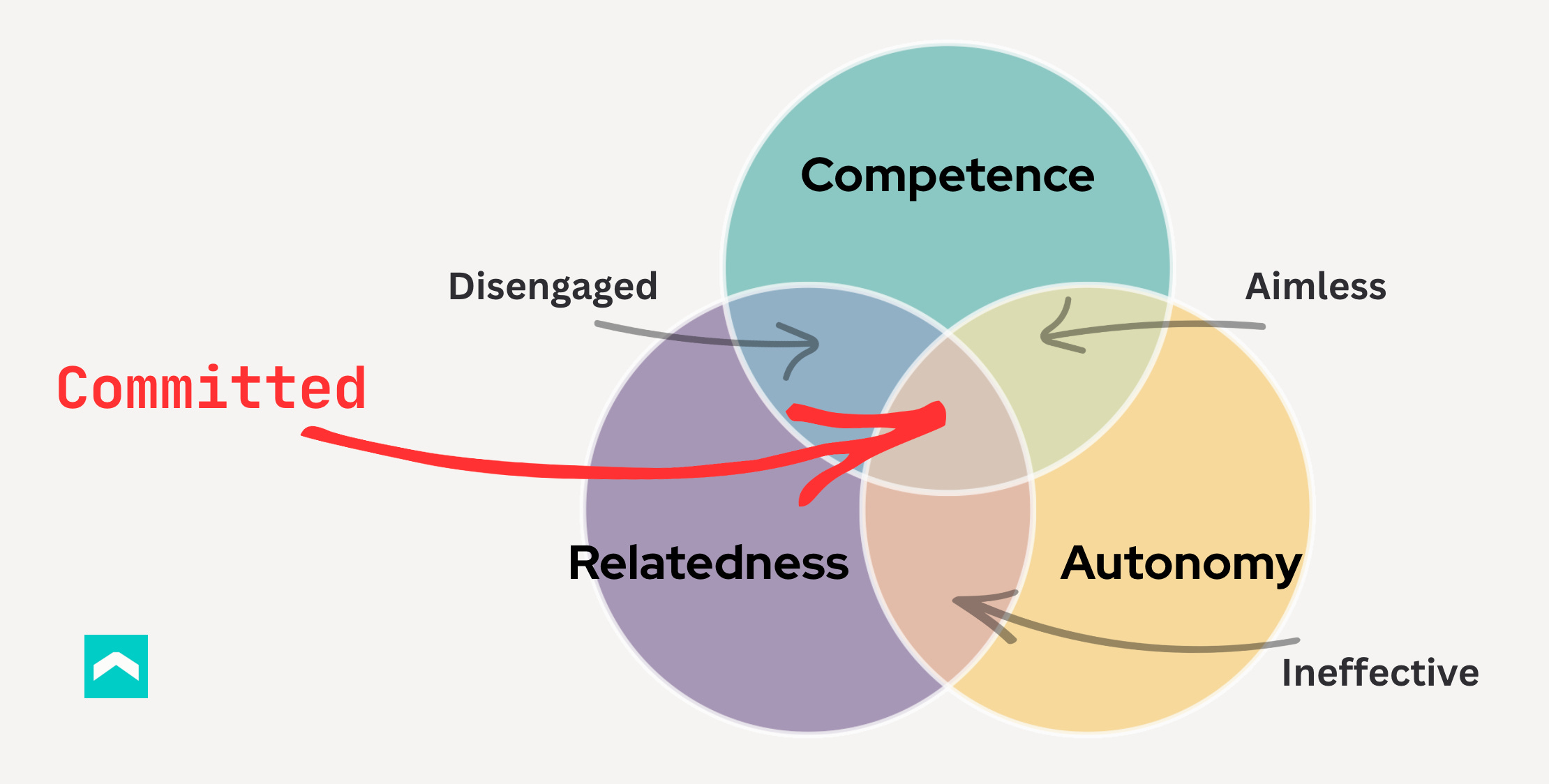
For the first 15 years on the mat, my three pillars were rock solid. Then, the structure itself began to thwart them. Autonomy died as politics demanded loyalty over inquiry. Relatedness collapsed when mentor relationships became untenable.
The assumption in most martial arts circles is that the practitioner must “learn to love the plateau” through sheer discipline. That is excellent advice when the environment supports growth. But if the pillars of your motivation are being actively dismantled by the culture of your dojo, “trying harder” is like trying to build a house on quicksand.
What’s actually happening to you
The practitioner who sparked this discussion isn’t weak. Their brain is working exactly as designed: protecting them from a pursuit that (neutrally speaking) appears to have hit a point of diminishing returns.
The 6th dan isn’t the one who was “tougher.” They are the one who recognized which pillar was wobbling and found a way to shore it up before the structure collapsed.
This is where many practitioners unknowingly set the conditions for later disappointment. They treat the plateau as a temporary test of “will” rather than an architectural problem. By trying to “push through” without addressing which pillar—mastery, connection, or choice—has cracked, they burn through their remaining mental reserves. They stay for another six months on fumes, only to quit later with a sense of resentment, convinced they simply “lost the spark.”
In Part 2, we will look at how to diagnose which pillar is failing and the specific strategies used by long-term practitioners to rebuild their motivation from the ground up.

If you’re navigating a motivation crisis right now, you’re not alone. Join the discussion and share which pillar is struggling for you.