


TL;DR: The certificate economy sustains itself as long as practitioners fund it. The more interesting question is what happens when they don’t.
In Part 1 we traced how rank became a product. In Part 2 we counted what it costs. In Part 3 we named what it took from practitioners who invested sincerely. This final part asks: what do we do instead?
Early black belts mean something. We documented this honestly — practitioners describe a first dan as a goal that sustained years of training, as recognition from respected teachers, and as a door to teaching opened by demonstrated commitment. That meaning is real. It was built on the mat, in relationships, and through accumulated effort.
The question this series has been asking is what happens further down the road — when the fifth certificate stays in its envelope, when the structure keeps rewarding loyalty over depth, when the investment keeps flowing toward paper and the return diminishes with each promotion. Philippe Voarino put it without softening: practitioners who have advanced beyond what any certificate system was built to measure, yet still seek its stamp of approval. Knowledge bowing to ignorance for the sake of status. Pathetic, in his word.
It’s a harsh line. It’s also recognisable.
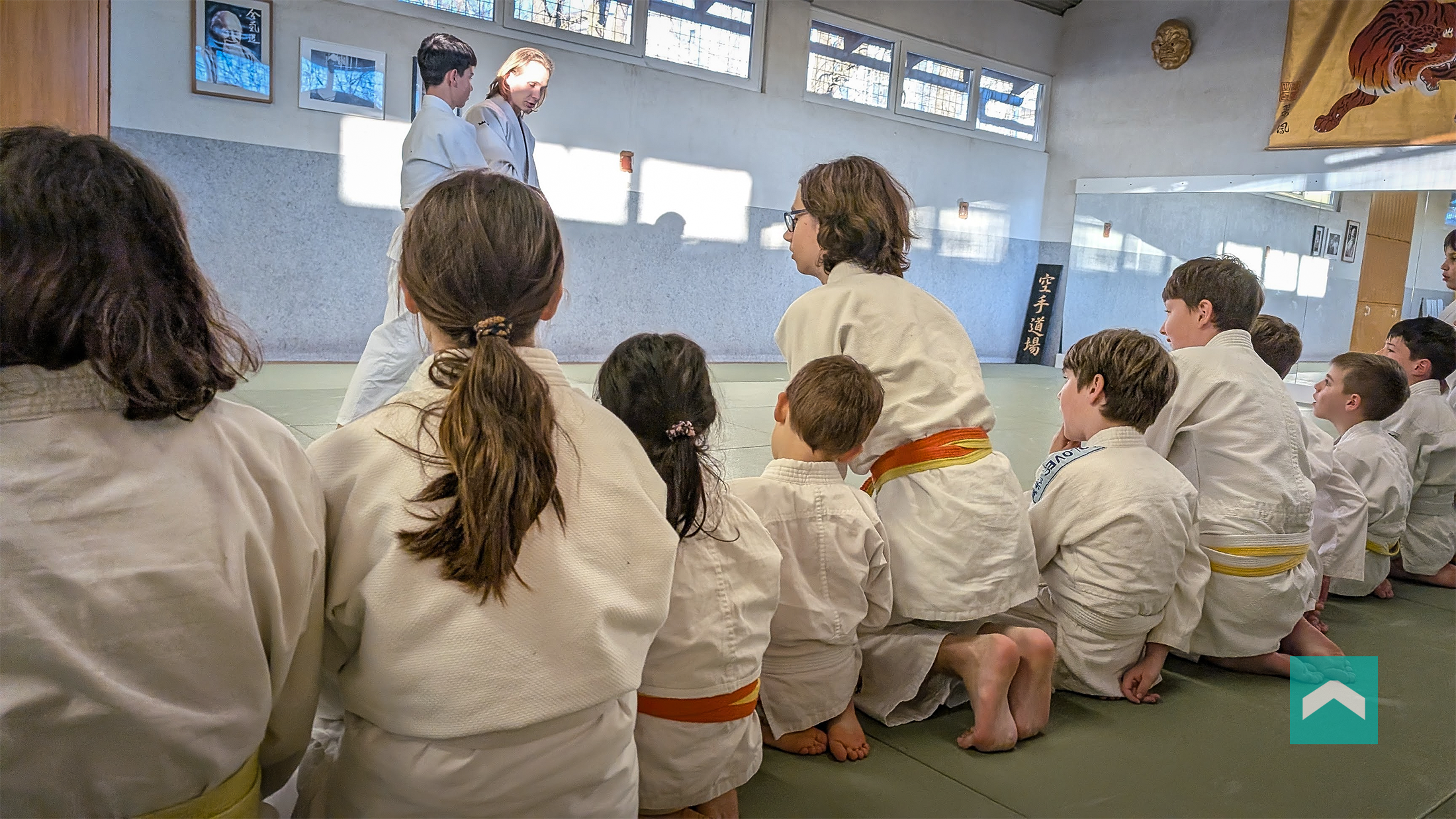
What the investment could do instead
Jazz musicians do not pay an international federation for an 8th dan in improvisation. They spend their money on instruments, sessions, and time in rooms with people who play better than they do. The investment goes into the music itself.
The equivalent in a dojo could look like:
A sports scientist who understands how motor skills develop under stress.
A movement educator who has spent years analyzing how bodies learn.
A psychologist specializing in performance and anxiety.
A somatic coach or a conflict resolution practitioner.
Experts from outside the martial arts entirely, including women and specialists who have never heard of Aikido but understand the gaps your training has yet to address.
Another option is a structured approach to internal development—a framework that maps the milestones between beginner tension and advanced flow. This provides both instructor and student with a shared language for the moment technique stops being forced and becomes embodied. Most teachers can correct external form; few can configure a student’s inner world—their mental relaxation, emotional stability, and clarity of intent. Investing in that capacity changes what is actually transmitted in a class.
The same budget that covers a trip to Japan for Kagamibiraki ceremony could bring two or three of these specialists to your dojo. The practitioners who train with them will develop skills the certificate system was never designed to measure.
The practitioners who already made the shift
A chef does not fly to Paris to collect a certificate from someone who has never tasted their food. They do a stage in a working kitchen, absorbing how a different environment solves the same problems.
The practitioners who have built the most transferable work from Aikido followed a similar logic. Richard Strozzi-Heckler developed a methodology that holds under pressure—from the U.S. Marines to Fortune 500 executives—not because his rank opened those doors, but because he invested in the substance of what he could teach. George Leonard spent his later years exploring what mastery means when stripped of rank-chasing; his conclusions pointed toward the unglamorous daily practice where depth originates. Paul Linden built a body-awareness practice for trauma survivors. Mark Walsh works with educators in Ukraine, using embodied presence as a practical tool for healing.
None of this is Aikido defending itself against MMA. It is Aikido working.
What these practitioners share is not a particularly high dan grade. It is that they continued to invest in breadth, in methodology, and in the capacity to teach rather than simply to perform.
The next generation
While senior practitioners spend significant sums on high-grade promotions, junior instructors in many parts of the world are crowdfunding for mats online. New dojos struggle through their first years without support. Promising practitioners drop out because the fees accumulate faster than their income.
A moratorium on promotions above a certain level until juniors outnumber senior grades at seminars is not a serious policy proposal. It is a thought experiment that reveals where priorities sit—and what it would take to shift them.
The art grows through practitioners who can teach it well, who stay long enough to transmit depth, and who find communities worth staying in. That growth requires investment—just a different kind than the certificate economy currently requests.
The point of the credential
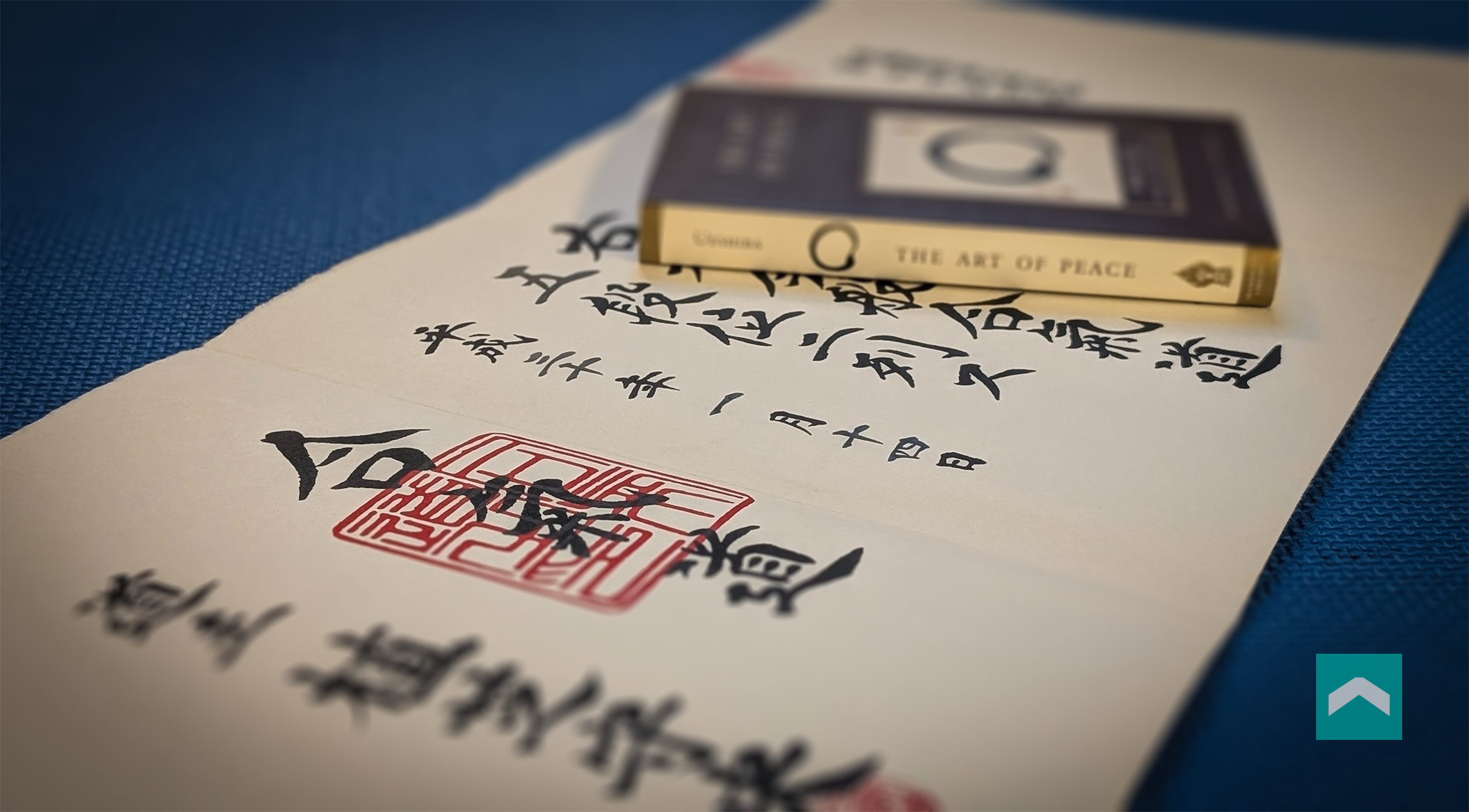
A cardiac surgeon is not defined by a certificate from a board that has never watched him operate. He is defined by the fact that your grandfather survived. The credential may open the door, but what happens in the operating room is the point.
The same applies to every Aikido class taught today. The certificate got you in front of the students. What you have built in your own body—your understanding of how people learn and your capacity to stay present when things get difficult—determines whether anything worth having is passed on.
Where Aikicraft stands
Criticism of the “dan economy” is abundant. What is rare is anyone proposing something specific and committing to it—building infrastructure for a different kind of investment rather than merely cataloguing the failures of the current one.
Aikicraft exists in that gap. Our goal is not to dismantle what has been built, but to surface what is working. We aim to connect practitioners across styles and organizations and make the case—through concrete examples and honest analysis—that the future of the art belongs to those who prioritize transmission over paper.
This conversation is already happening. It happens in changing rooms, at congresses, in hotel lobbies late at night, and in dojos that have quietly started doing things differently. It simply needs a place to land.
This is that place.
Community question: If you redirected your next aikido investment from paper to education — what would you spend it on?
've read a number of your posts and have really enjoyed them.
Afterward, I found myself looking to see who you had trained with, where you had trained, and how your Aikido had developed. That interested me because you compare Aikido to jazz.
It struck me that, on paper, the depth of either Aikido or jazz is found in a person's history—the teachers, experiences, influences, and years of practice that shape their voice.
I appreciated both your writing and the path that produced it.